Lighting Guide
How to Layer Warm Light in Any Room
The basics of combining ambient, task, and accent lighting to create depth and warmth without needing expensive fixtures.

Most rooms feel flat because they rely on a single light source. It's like watching a film with all the shadows flattened out — technically bright, but visually boring. That's where layering comes in.
The good news? You don't need to buy designer lighting fixtures or rewire your entire room. Layering is about strategy — positioning different types of light at different levels to create depth, warmth, and mood. We're talking about three core elements: ambient lighting (your baseline), task lighting (where you actually need to see), and accent lighting (the drama). When they work together, your room transforms.
In this guide, we'll break down exactly how to layer warm light so your space feels inviting at any time of day. You'll learn what goes where, what wattage actually matters, and how to avoid that harsh overhead-light feel that makes everyone look washed out.
The Three Layers You Need
- Ambient: Overall room brightness — usually from ceiling fixtures or uplighting
- Task: Functional light where you read, work, or cook — desk lamps, kitchen pendants
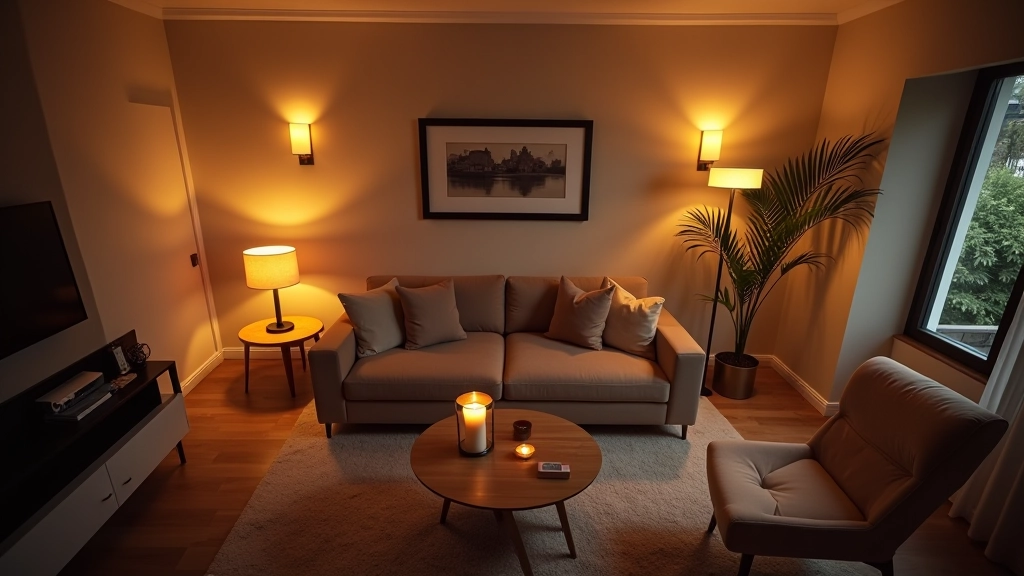
- Accent: Mood lighting that highlights architectural features or creates atmosphere — wall sconces, candlelight
Understanding Colour Temperature
Here's something most people get wrong: brightness alone isn't what makes light feel warm. It's all about colour temperature, measured in Kelvin (K). Lower numbers feel cosy, higher numbers feel sterile.
For living spaces, you're aiming for 2700K to 3000K — that's the warmth of incandescent bulbs your parents probably used. It's genuinely different from 4000K or 5000K, which feel clinical and office-like. The warmer the light, the more it tricks your brain into relaxation mode.
When shopping for bulbs, check the packaging. It'll say "warm white" or list the Kelvin rating. Don't just grab whatever's on sale. A £3 bulb that's 5000K will ruin your carefully layered setup. Spend the extra pound for the right temperature — it's the easiest win you can make.
Positioning Your Ambient Light
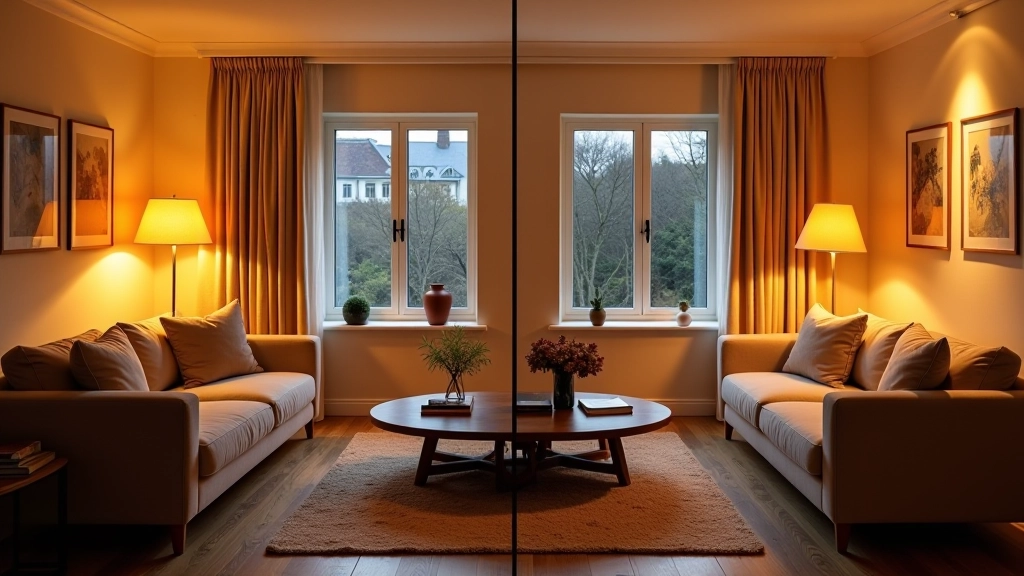
Ambient light is your foundation. It's what lets you walk around without bumping into furniture. But here's the trick — it doesn't have to come from directly above.
A ceiling-mounted fixture works, but consider alternatives. Uplighting — where a floor lamp points toward the ceiling — bounces light around and feels softer. Wall-mounted panels provide even distribution without the cave-like feeling of a single overhead bulb. If you've got high ceilings, a pendant fixture positioned 60 centimetres below the ceiling gives you better light spread than something right at the top.
The wattage depends on room size. For a 4x4 metre bedroom, you're looking at 300-400 lumens total from your ambient layer. Don't panic about exact numbers — most LED bulbs now show lumen output on the box. Start with one decent bulb and add more if the room still feels dim.
Task Lighting: Making Light Work for You
Task lighting is where you actually see things happen. Reading, cooking, working — these activities need dedicated light that isn't creating shadows on your work surface.
A desk lamp needs to sit to the side of your work (not directly behind your monitor, which creates glare). Kitchen lighting ideally comes from above or slightly in front of the counter. For reading in bed, a bedside lamp with a shade that directs light downward onto your book works better than an overhead pendant that lights up your entire face.
The key is positioning at 45-60 degrees from your work surface. Too direct and you get shadows. Too diffuse and you lose clarity. Most desk lamps have an adjustable arm — use it. Tilt the head slightly forward so light hits the surface without bouncing into your eyes.

Information Notice
This guide is provided for educational and informational purposes only. Recommendations are based on general design principles and personal experience. Your specific needs may vary depending on room size, ceiling height, existing fixtures, and personal preference. Always check electrical safety standards when installing new fixtures, and consult a qualified electrician if you're making permanent changes to your home's wiring.
Accent Lighting: Adding Drama
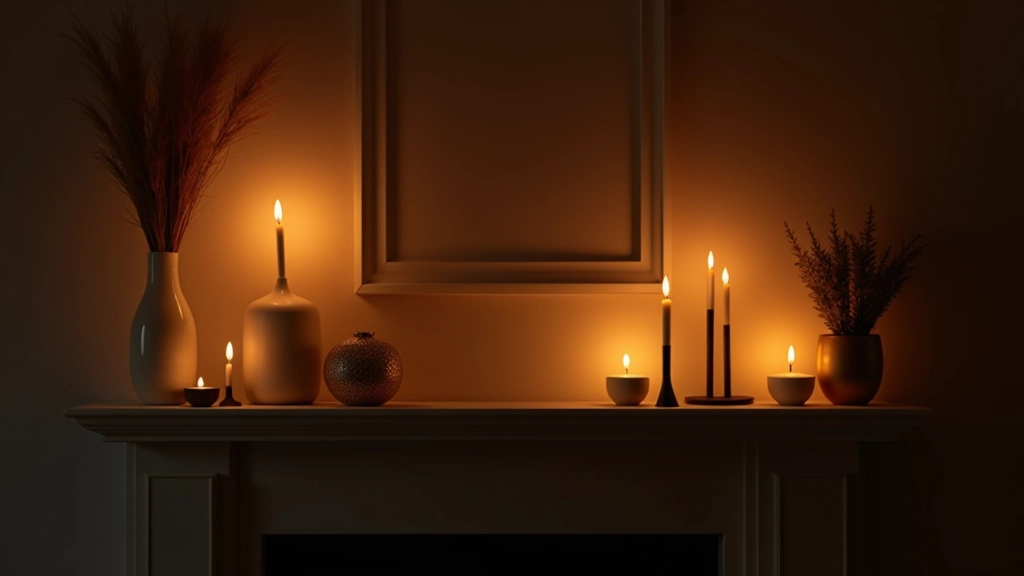
Accent lighting is where personality enters. It's not about seeing — it's about feeling. A small table lamp in the corner. Candlelight on a shelf. Wall sconces flanking a mirror. These elements don't light the whole room, but they create visual interest and draw your eye to specific areas.
The best part? Accent lighting is cheap to add. A pair of wall sconces costs less than many task lamps. Candlelight literally costs pennies. What matters is placement. Position accent lights at eye level or slightly below when you're seated — this creates depth without glare. Use odd numbers of accent light sources (one, three, or five) rather than pairs. It feels more intentional and natural.
Don't underestimate the power of warm dimmer switches on your accent layer. When you can reduce the brightness, you're adjusting mood. Bright ambient plus full accent lighting feels energetic. Dim ambient plus subtle accent creates genuine coziness. That flexibility is what transforms a lit room into an atmosphere.
Putting It All Together
Layering warm light isn't complicated — it's just intentional. You're working with three types of light, positioning them strategically, and using the right colour temperature. That's it.
Start with your ambient layer. Add task lighting where you actually need to see. Then sprinkle in accent lights that make you want to spend time in the space. Keep everything between 2700K and 3000K, use dimmers where possible, and you're done.
The result? A room that doesn't just look good under artificial light — it actually feels good. You'll notice people linger longer. Conversations feel more natural. Even mundane activities like reading or working feel less draining. That's the real magic of warm layered light.
Related Articles