Questions About Home Lighting?
We've answered the most common questions about creating warm, inviting spaces through thoughtful lighting design.
Warm lighting (2700K–3000K) creates a cozy, relaxing atmosphere that's perfect for evenings and social spaces, while cool lighting (4000K+) feels more energising and is better for task-focused areas. In UK homes, we typically layer warm light in living areas and bedrooms, reserving cooler tones for kitchens and workspaces where you need clarity and focus.
The sweet spot is three layers: ambient (overhead or wall-mounted), task (desk lamps, reading lights), and accent (uplighting, candlelight). You don't need to install all of them at once—start with one quality lamp in addition to your main ceiling light, then add a third source when it feels right. Most rooms benefit from at least two sources, but three creates genuinely different moods throughout the day.
Absolutely, as long as you follow basic safety: never leave burning candles unattended, keep them at least 30cm from curtains and flammable materials, and ensure good ventilation. Group candles on heat-resistant surfaces away from drafts, and always use proper candle holders. For reading nooks and evening rituals, candles are a wonderful addition—just treat them with the same respect you'd give any open flame.
Position your desk perpendicular to windows rather than facing them directly, use sheer curtains or blinds to diffuse bright afternoon sun, and place reflective surfaces strategically to bounce daylight deeper into the room. In UK homes, north-facing rooms benefit from pale wall colours to amplify available light, while south-facing spaces need subtle shading to prevent glare. The goal is soft, even light throughout the day—not a spotlight effect.
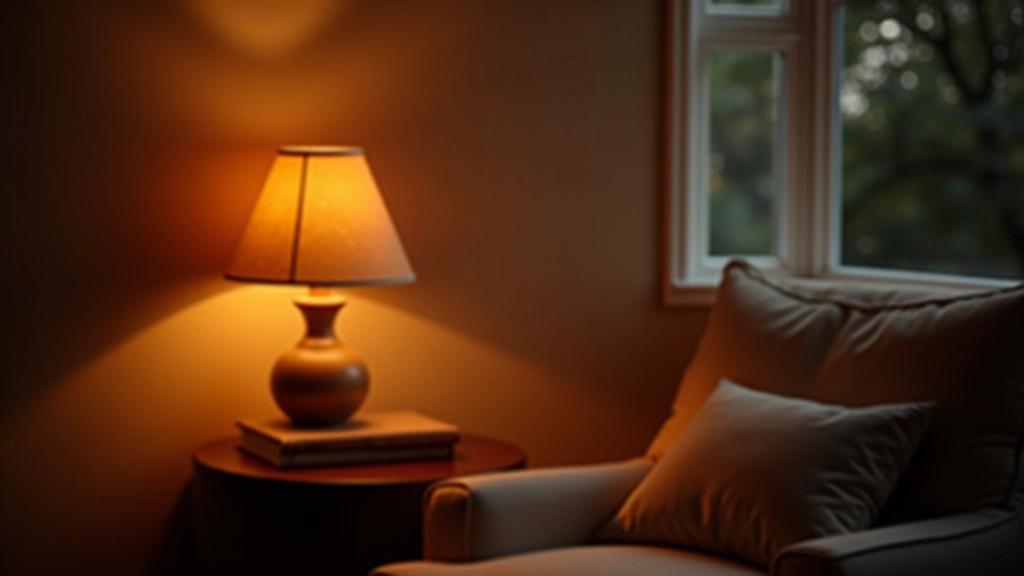
A good reading nook needs task lighting that's warm (2700K), positioned to avoid shadows on the page—ideally a wall-mounted lamp or floor lamp at shoulder height. Add soft ambient light to reduce eye strain (the difference between your reading light and surrounding darkness matters), and choose a spot away from windows if you're reading in the afternoon, since sunlight on pages creates reflection. The magic is layering warmth with just enough brightness to read comfortably for hours.
Aim for 2700K or warmer—this matches your body's natural wind-down response and supports better sleep quality. If you need to get ready in the morning, a dimmable light lets you increase brightness gradually rather than shocking your system with bright light. Many people use a single warm bedside lamp plus a dimmer on the ceiling light, which gives flexibility without requiring rewiring.
Still have questions?
Get in touch with us directly or explore our detailed guides on warm lamp layering, candlelight evenings, and reading nook design.