
Maximizing Natural Daylight in UK Homes
Window placement, reflective surfaces, and seasonal adjustments. How to make the most of limited winter daylight without heavy investment.


Why UK Winters Feel Dark — And What You Can Actually Do About It
Let's be honest: British winters aren't kind to natural light. We're looking at maybe 7-8 hours of daylight between November and February, and most of that's cloudy. The sun sits so low in the sky that it barely clears the rooflines in northern cities like Edinburgh or Manchester.
But here's the thing — you don't need to overhaul your entire home to feel brighter. Small, strategic changes to how light moves through your rooms make a real difference. You're not fighting physics; you're just working with what you've got and amplifying it.
The goal isn't to pretend it's July. It's to capture every bit of daylight that arrives, spread it deeper into your rooms, and eliminate the shadows that make spaces feel gloomy. That takes about three core strategies: window placement understanding, reflective surfaces, and seasonal adjustments.
Window Placement and Orientation
South-facing windows are your best friend in the UK. They'll capture the most direct light, especially in winter when the sun stays low and southern. North-facing windows? They're reliable but indirect — great for even, shadowless light but won't give you that brightness boost.
East and west-facing windows offer something in between. East-facing rooms get brilliant morning light, which is psychologically helpful — that early brightness helps regulate sleep cycles. West-facing rooms catch afternoon and evening sun, which feels warmer but can create glare later in the day.
The real win? Positioning your main living areas to catch your home's best light windows. If your south-facing window faces the street, you're already doing okay. If it's blocked by a garden wall or trees, that's worth addressing — even removing low branches can unlock 20-30% more light.
Quick fact: Cleaning windows increases light transmission by 10-15%. Dirty glass is genuinely dimming your home more than you'd expect.
The Role of Reflective Surfaces
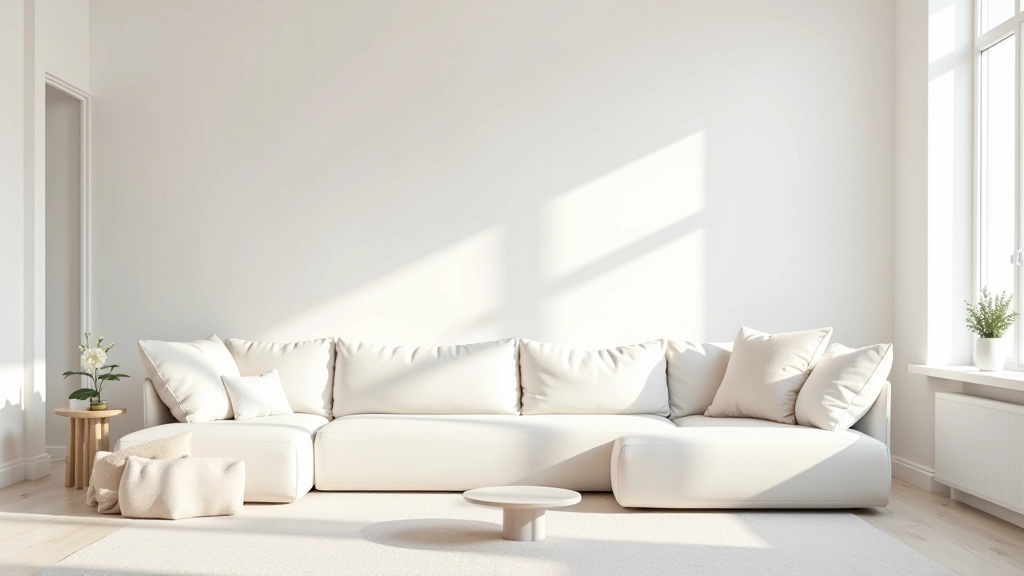
This is where you get leverage. Light doesn't just need to enter your room — it needs to bounce. Dark walls absorb light. Light walls reflect it. We're not talking magnolia everywhere (though pale colors do work). Off-white, soft cream, or very light grey walls can increase perceived brightness by 30-40% compared to mid-tone paint.
Mirrors are the most effective tool. A large mirror opposite a window doesn't double your light — that's not how physics works — but it does spread it across the room instead of letting it fade into one corner. Position mirrors at an angle where they catch direct or bright indirect light, and you'll notice the difference immediately.
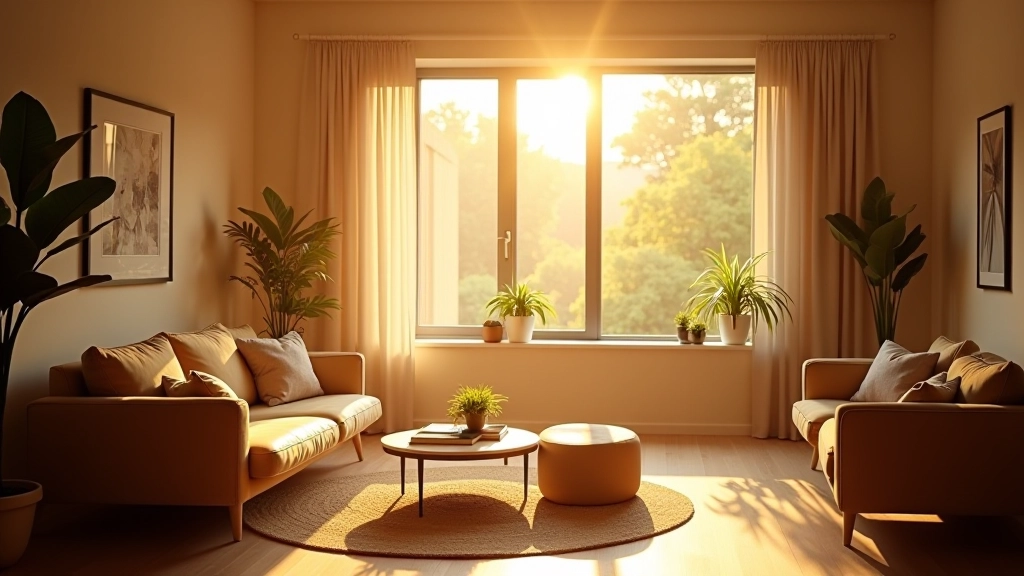
Glossy finishes on furniture reflect more light than matte. Pale wooden floors (or light-coloured rugs on dark floors) bounce light upward into the room instead of absorbing it. Even lightweight linen curtains instead of heavy velvet can make a measurable difference — the light passes through rather than getting stopped at the window.
Seasonal Adjustments That Actually Work
Your home's daylight profile changes dramatically between seasons. Summer sun comes from the north in the UK (high in the sky), but winter sun comes from the south (low and weak). That means your seasonal light management strategy should shift too.
In winter, you want to maximize every ray. Remove heavy curtains from south-facing windows and replace them with lightweight options you can open fully. Trim back any exterior vegetation that's blocking light — even a 30cm gap from overgrown bushes makes a real difference. If you have internal partitions or tall furniture blocking light flow, consider repositioning them temporarily through the darker months.
Summer's different. You're managing heat and glare, not chasing light. Heavier curtains, blinds that filter light without blocking it entirely, and exterior shading (climbing plants, awnings) all become useful. But don't install permanent solutions that'll cripple your winter light.
1
Assess your windows: Identify which face south and get direct winter sun. These are your priority areas.
2
Clean thoroughly: Windows, frames, sills. Dirt and dust reduce light transmission more than you'd think.
3
Add reflective surfaces: Paint an accent wall in off-white, position a large mirror opposite your brightest window, or swap out dark furniture for lighter pieces.
4
Manage window dressing: Switch to lightweight curtains or adjustable blinds that you can open fully in winter.
5
Clear obstacles: Trim external vegetation, reposition internal furniture, remove clutter that blocks light paths.
The Practical Budget Reality
You don't need to spend thousands to improve daylight. Most of what works costs nothing or very little. Cleaning your windows? Free. Repositioning furniture? Free. Trimming bushes? Free (or a modest garden maintenance cost).
Paint is cheap — a tin of quality off-white paint costs £20-40 and covers a whole room. Mirrors range from £15 (basic) to £100+ (designer), but even basic ones work. Lightweight curtains are often cheaper than heavy velvet alternatives.
The expensive options — skylight installation, larger windows, bifold doors — aren't necessary to feel a significant improvement. Most people notice a real difference from the free or low-cost changes alone. You're not trying to transform your home into a conservatory. You're just making better use of what you've got.

Making It Feel Natural
Here's what you want to avoid: making your home feel clinical or sterile in pursuit of brightness. Pale walls don't mean hospital walls. Light colours can be warm — soft creams, warm greys, gentle beiges. It's about finding shades that feel right for your space while still reflecting light effectively.
The best approach combines multiple strategies. One mirror isn't enough. Paint alone won't fix a dim room. But paint plus mirrors plus lightweight curtains plus a bit of decluttering? That's when you'll actually notice the shift. It's cumulative.
You'll also find that maximizing daylight makes supplementary lighting (lamps, ceiling lights) feel less harsh when you use them in the evening. There's a psychological shift when a room feels naturally bright during the day — the evening lighting feels like a natural progression rather than a sudden switch from dark to bright.
Final Thought
British winters will always be darker than other seasons. That's not changing. But the brightness difference between a room where you've optimized daylight and one where you haven't is genuinely significant. Most people feel it within days of making even small changes — rooms feel more spacious, you don't feel as tired mid-afternoon, and the overall atmosphere shifts toward something warmer and more liveable.
Start with the free stuff: clean your windows, rearrange furniture, trim back overgrown plants. Then add low-cost changes: lightweight curtains, maybe a large mirror. You'll probably find that's enough. And if you want to go further, paint and subtle reflective finishes give you the most return on investment.
About This Article
This article is educational and informational. The guidance provided is based on general principles of lighting and home design applicable to UK properties. Circumstances vary significantly between individual homes — your specific results will depend on room size, window orientation, climate conditions, and existing features. If you're planning structural changes like window installation or removal, consult with a surveyor or architect to ensure compliance with building regulations. The cost estimates and timelines mentioned are approximate and may vary based on location, materials chosen, and professional services required.
Explore Related Topics