
British Candlelight Evenings: A Practical Approach
Beyond ambiance — how to safely arrange candles, choose the right wax types, and maintain that cosy evening feeling throughout winter.


Creating Candlelit Comfort at Home
There's something uniquely British about settling in with candlelight as the evenings draw in. It's not just about creating atmosphere — it's about doing it properly. From selecting quality candles to arranging them safely, there's a real craft to candlelit evenings that goes well beyond lighting a few votives and hoping for the best.
We've spent years helping homeowners create cosy, functional spaces with candlelight as a key element. What we've learned is that the best candlelit evenings aren't accidents. They're the result of thoughtful choices about wax type, placement, and layering with other light sources.
Choosing the Right Candles for Your Space
Not all candles are created equal. If you've tried candles before and been disappointed — they guttered, smoked, or barely threw any scent — you've likely been using the wrong type for your space.
Soy wax candles burn cooler and longer than paraffin. They're less likely to produce that black sooty buildup on your ceiling, and they hold fragrance better. Beeswax is premium — it burns cleanest and brightest, though it's pricier. For everyday use, a good quality soy blend works brilliantly. You'll want candles in containers rather than pillars if you're a beginner. They're safer, burn more evenly, and are easier to manage.
The scent matters too, but here's the thing — you don't need a strong fragrance. A subtle scent layered with unscented candles actually creates a more sophisticated atmosphere than one powerful-smelling candle overpowering the room.

Arranging Candles for Safety and Visual Impact
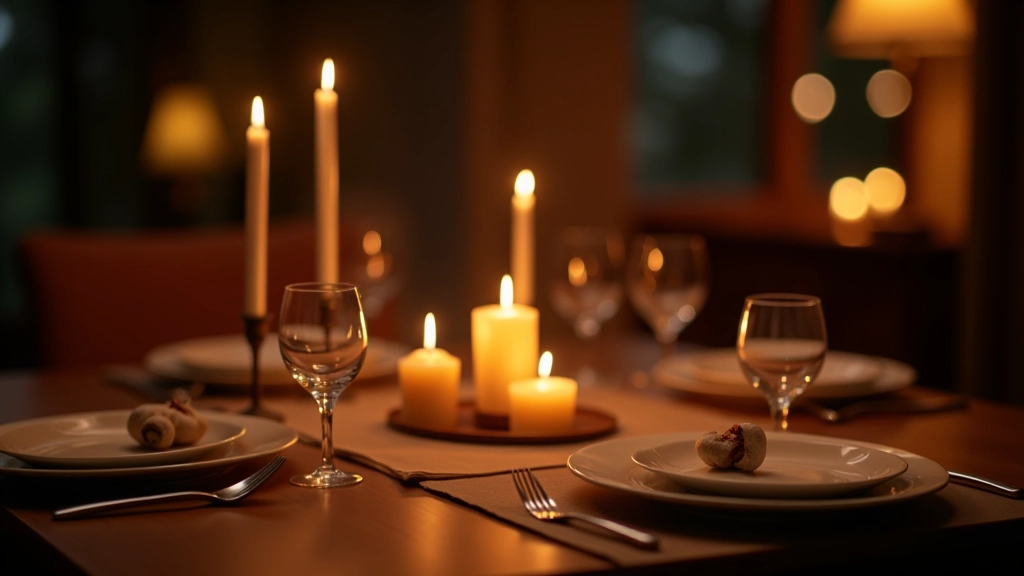
Safety isn't boring — it's actually what makes candlelight work beautifully. The key is clustering candles at different heights rather than spreading them around. This creates depth and visual interest while keeping flames away from flammable materials.
A simple rule: keep candles at least 30 centimetres apart from each other and away from curtains, papers, and anything that can catch. Never leave them unattended for more than two hours. In a dining setting, place them below eye level so you're not staring into flames across the table — this is actually why candlesticks with the right proportions matter so much.
Grouping three to five candles together, staggered in height, creates that layered effect you see in expensive interiors. You don't need special holders — glass jars work perfectly. The containers protect the flames and reflect light beautifully.
Layering Candlelight with Other Light Sources
Here's where most people get it wrong. They switch off all the lights and wonder why the room feels dark and moody in an uncomfortable way rather than cosy. Candlelight alone rarely provides enough light for reading, moving safely, or actually enjoying your evening.
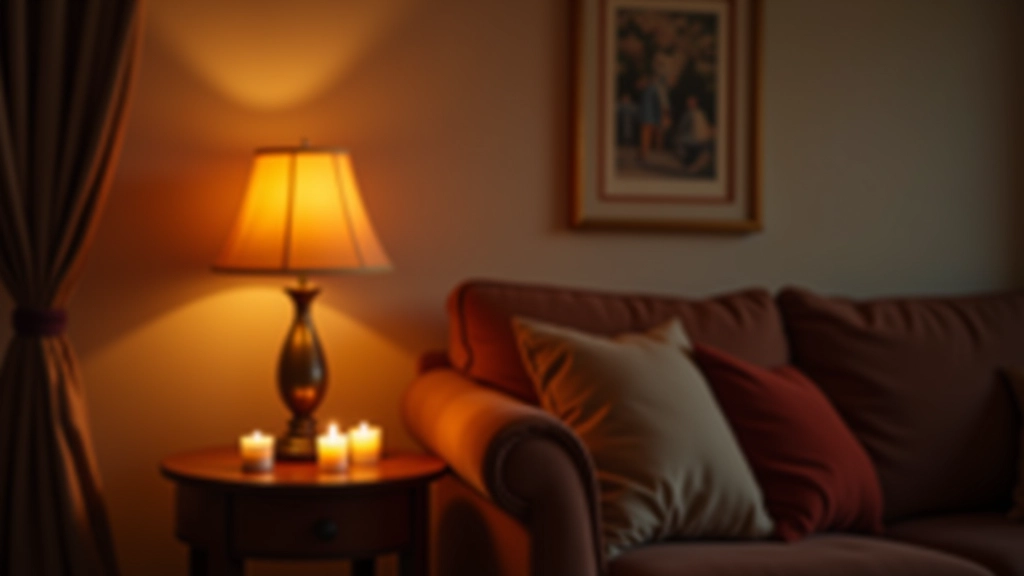
Instead, layer your light. Start with soft ambient lighting — a dimmed table lamp in the corner or wall lights set to 20-30% brightness. Then add your candles as accent lighting. This combination tricks the eye into perceiving more candlelight than you've actually got. You'll notice the difference immediately. The room feels warm without feeling dark, and the candles become the focal point rather than the sole light source.
During winter months when daylight disappears by 4 p.m., this layering approach becomes essential. You can start your evening with natural daylight, transition to warm table lamps as dusk falls, then bring candles into the mix as it gets dark. It's a natural progression that doesn't feel forced or artificial.
Quick Candlelight Tips
- Trim wicks to 5-7mm to reduce smoking and sooting
- Burn candles for at least 2 hours on first use to prevent tunnelling
- Place candles near reflective surfaces — mirrors amplify the glow
- Keep candles away from draughts and air vents
- Use unscented white candles with one or two scented ones for balance
Maintaining the Cosy Feel Through Winter
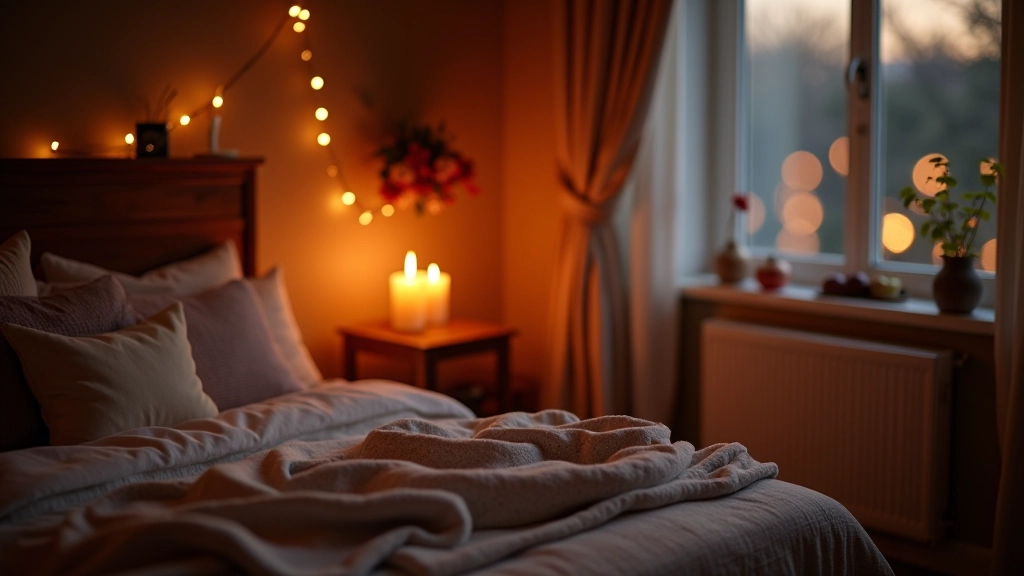
Winter's the season when candlelight really shines — quite literally. The challenge isn't creating the atmosphere; it's maintaining it without overdoing things and making your space feel stuffy or cluttered.
Rotate your candles seasonally. You don't need to light them every evening — that's actually when they lose their appeal. Two or three times a week during winter creates anticipation. When you do light them, commit to it. Put your phone away, close the curtains, and actually settle in. That's when candlelight transforms a room from just lit to genuinely special.
Store candles properly between uses. Keep them in a cool, dry place away from direct sunlight. This prevents discolouration and warping. A simple storage box in a cupboard works perfectly. When winter ends and you move to spring, you'll have candles ready for autumn again.
Important Safety Note
This article provides general guidance on candle placement and safety. Always follow manufacturer instructions for your specific candles. Never leave burning candles unattended, especially around children or pets. Ensure adequate ventilation when burning multiple candles. If you have concerns about fire safety or smoke production, consult with your local fire safety officer or a qualified electrician for broader lighting solutions.
Making Candlelight Part of Your Evening Routine
Candlelit evenings aren't a luxury reserved for special occasions. They're something you can create regularly with a bit of planning and the right approach. The investment is minimal — a few good quality candles, some containers, and understanding how to layer them with your existing lighting.
Start with what you've got at home. Gather some glass jars, pick up a couple of quality candles from a reputable supplier, and experiment with placement. You'll quickly develop a sense for what works in your space. Before long, lighting candles becomes as natural as making tea — a small ritual that signals the shift from daytime to evening, from busy to settled.
That's the real magic of British candlelight evenings. It's not about perfection or complexity. It's about creating a moment of genuine comfort in your home.
Related Articles