
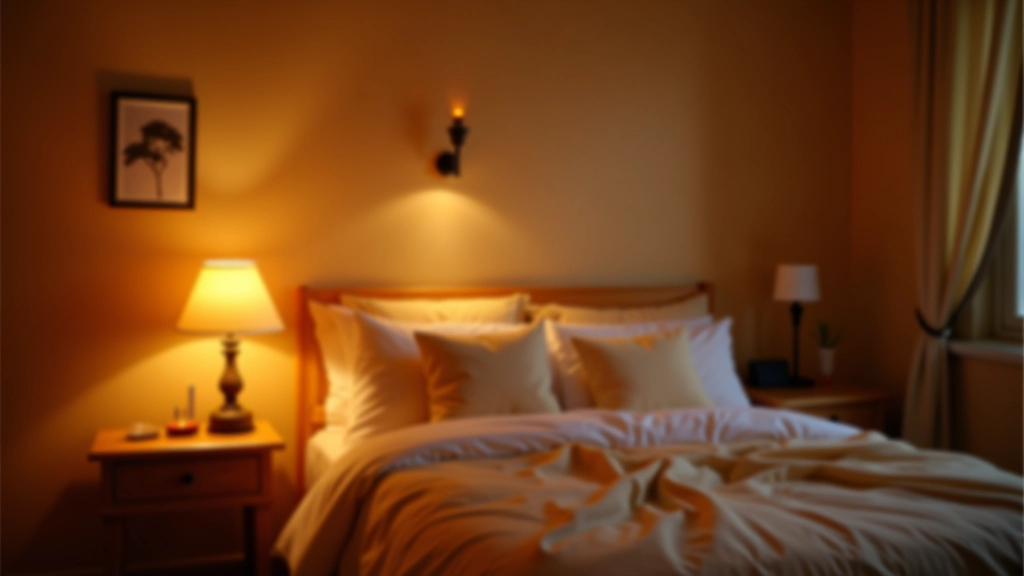
How to Layer Warm Light in Any Room
The basics of combining ambient, task, and accent lighting to create depth and warmth without needing expensive fixtures.
Read Guide →Learn the art of layering light for comfort, ambiance, and practicality across every room in your British home.
From candlelit evenings to natural daylight, we explore how thoughtful lighting transforms spaces into places you actually want to spend time in.
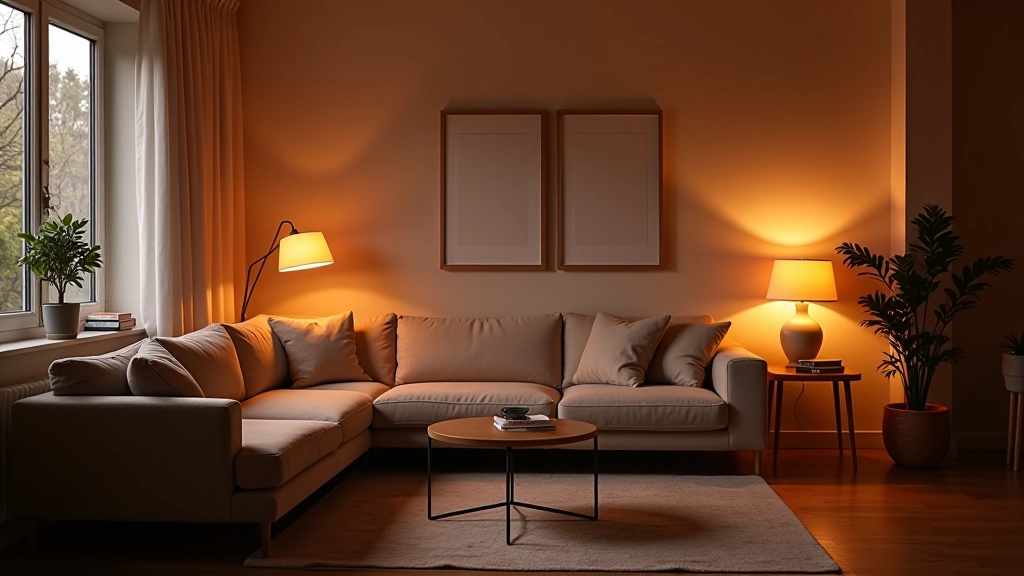
The right lighting doesn't just help you see — it influences mood, productivity, and how welcoming your space feels. Whether you're working from home, reading, or unwinding after work, lighting sets the tone.
Get Lighting Tips for Your SpaceMaster these fundamentals and you'll understand how to light any room effectively.
The base layer of light in any room. Think ceiling fixtures, overhead lights, or wall washers that illuminate the entire space evenly without harsh shadows.
Focused light where you need it most. Desk lamps for reading, under-cabinet lights for cooking, or bedside lamps for getting ready in the morning.
The decorative layer. Spotlights on artwork, uplighting on plants, or candles on shelves. This is where personality and mood come in.
Measured in Kelvins, this determines whether light feels warm and cosy (2700K) or cool and energising (4000K+). Warm light is key to comfortable homes.
Good lighting isn't complicated. It's about understanding these key principles.
Don't rely on a single light source. Combine ambient, task, and accent lighting for flexibility and depth. You can adjust the mood by turning different layers on and off.
Most homes feel better with warmer colour temperatures (2700-3000K). Cool light is useful for kitchens and offices, but bedrooms and living spaces benefit from warmth.
Daylight is free and makes spaces feel bigger and more connected to the outside. Position reading nooks, desks, and seating near windows whenever possible.
Follow these steps to understand what's working and what needs adjusting in each room.
Visit each room in morning light, afternoon, and evening. Notice which areas feel bright, which feel dim, and where shadows fall. This tells you where you need additional lighting.
What do you actually do in each room? Reading requires different light than cooking. Working requires different light than relaxing. List the activities and lighting requirements.
Check the wattage, colour temperature, and type of every existing light. Document what's working and what isn't. Sometimes it's just about switching to warmer bulbs.
Sketch where you'd place ambient, task, and accent lighting. You don't need expensive new fixtures — repositioning existing lamps and adding candles often does the trick.
Start with one room. Add one new element at a time — a reading lamp, some candles, a dimmer switch. See how it feels before moving to the next space.
See how different approaches create different moods and atmospheres.
Ceiling fixture + bedside lamps + accent light on shelves. Each can be adjusted independently.
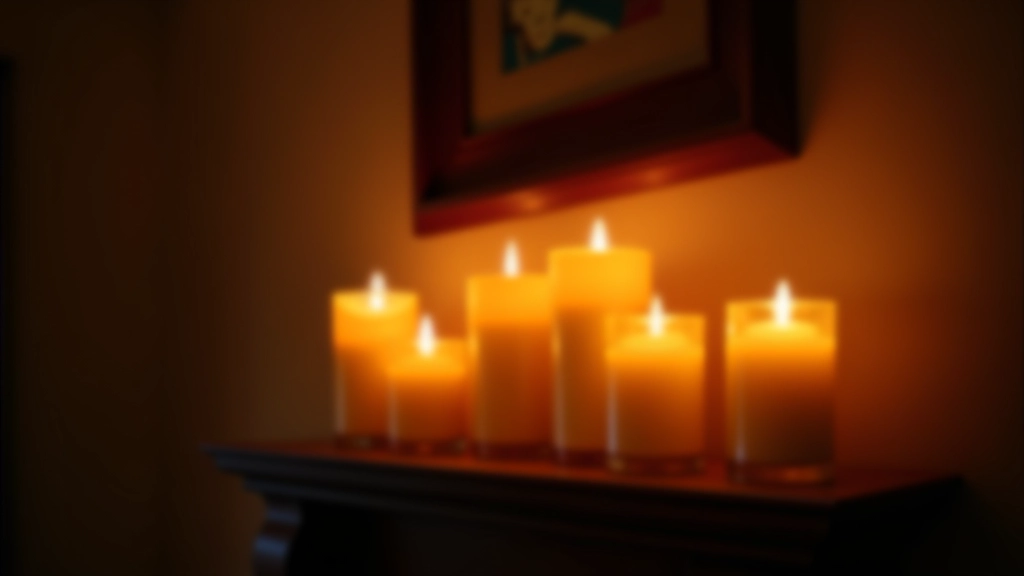
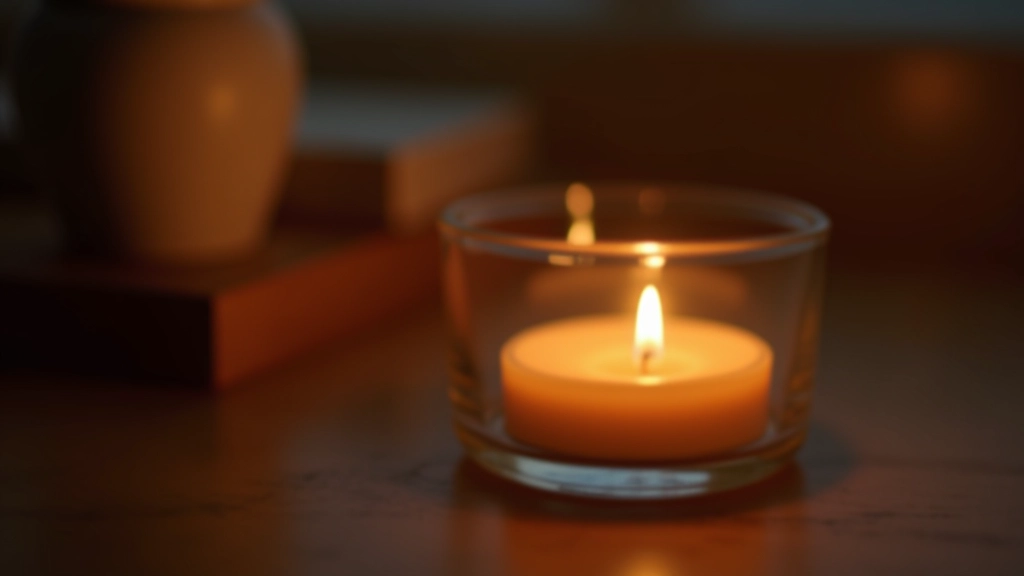
Grouped candles create more impact than scattered ones. Use varied heights for visual interest.
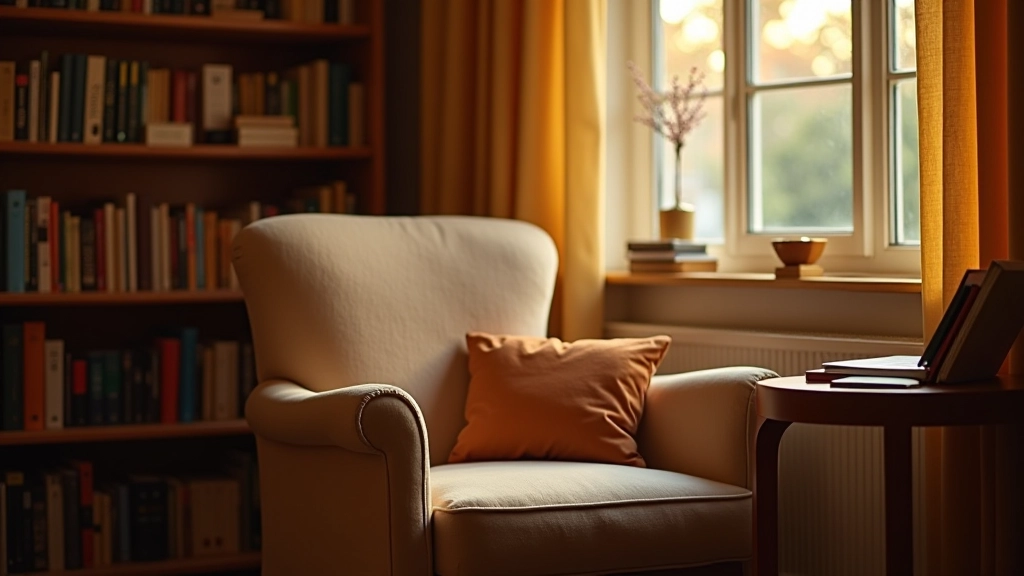
Natural window light plus a warm task lamp prevents glare and eye strain while reading.
Deep dives into specific lighting challenges and solutions for your home.
The basics of combining ambient, task, and accent lighting to create depth and warmth without needing expensive fixtures.
Read Guide →
Beyond ambiance — how to safely arrange candles, choose the right wax types, and maintain that cosy evening feeling throughout winter.
Read Guide →
Positioning, natural light angles, and supplementary lighting that won't cause glare on the page. Everything a reader actually needs to know.
Read Guide →We work with respected organisations in design, sustainability, and home improvement.
Industry standards for lighting design and best practices in UK homes. We align our guidance with their professional recommendations.
Energy-efficient lighting solutions that reduce carbon footprint. Learn how to light your home responsibly without sacrificing comfort.
Professional architectural perspectives on residential lighting design. We reference their research and case studies throughout our guides.
Technical expertise on bulbs, fixtures, and installation safety. Their standards inform everything we teach about home lighting.
Start with one room and see how the right lighting changes the feel of your space. Our guides walk you through everything from warm lamp layering to reading nook setups — no design experience needed.